
Venetien
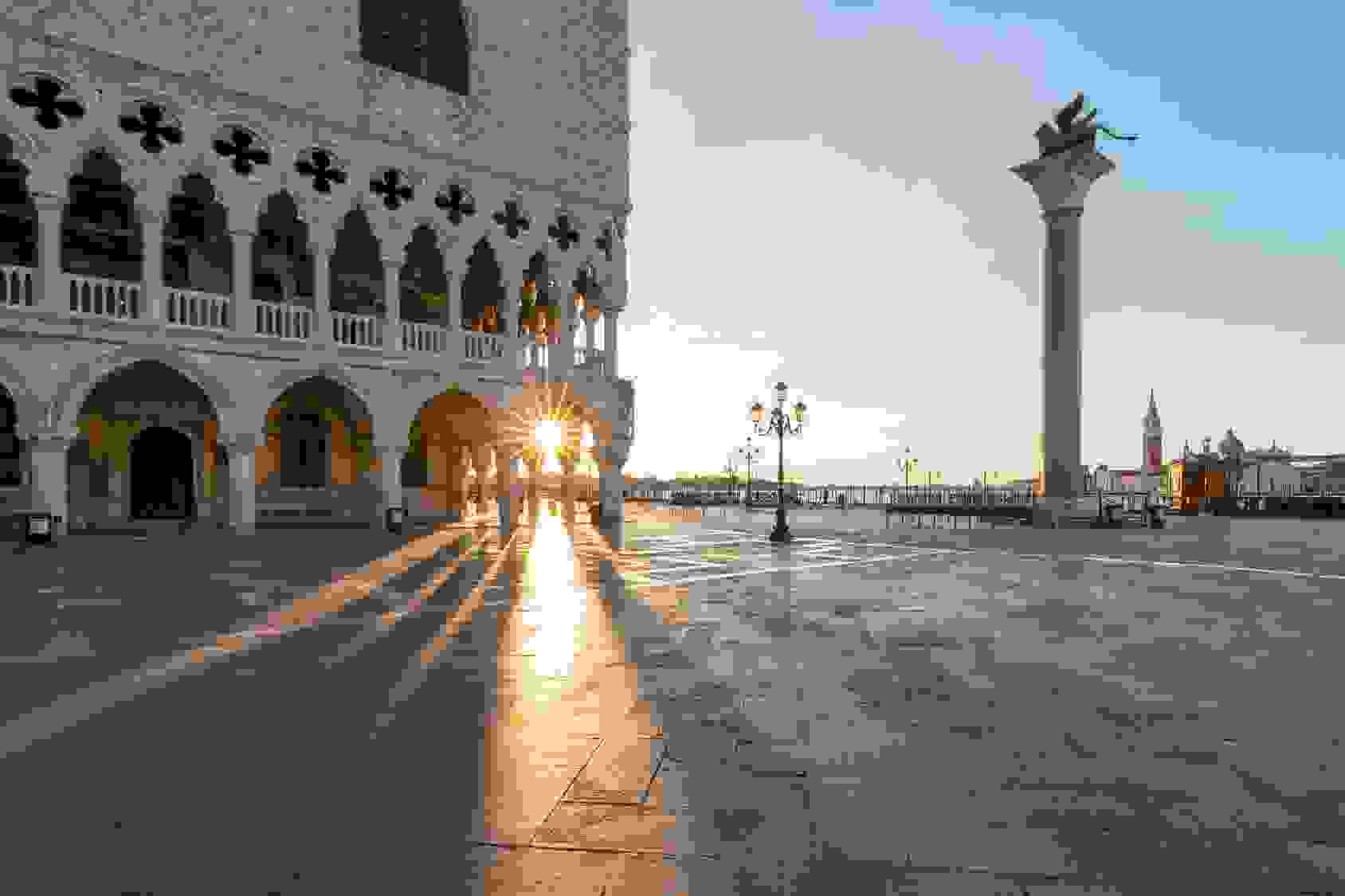
Der Markusplatz in Venedig
Traumurlaub in Italien
Der Stiefel, wie Italien von seinen Bewohnern liebevoll genannt wird, erstreckt sich über 1.300 Kilometer von der Gebirgskette der Alpen bis zum Mittelmeer. Angrenzende Staaten sind Frankreich, die Schweiz, Österreich, Slowenien sowie die Kleinstaaten San Marino und Vatikanstadt. Der Alpenraum stellt die schützende Grenze der 1.000 Kilometer langen italienischen Halbinsel dar und setzt sich in einem Gebirgsrücken fort, der bis nach Sizilien verläuft: dem Apennin.
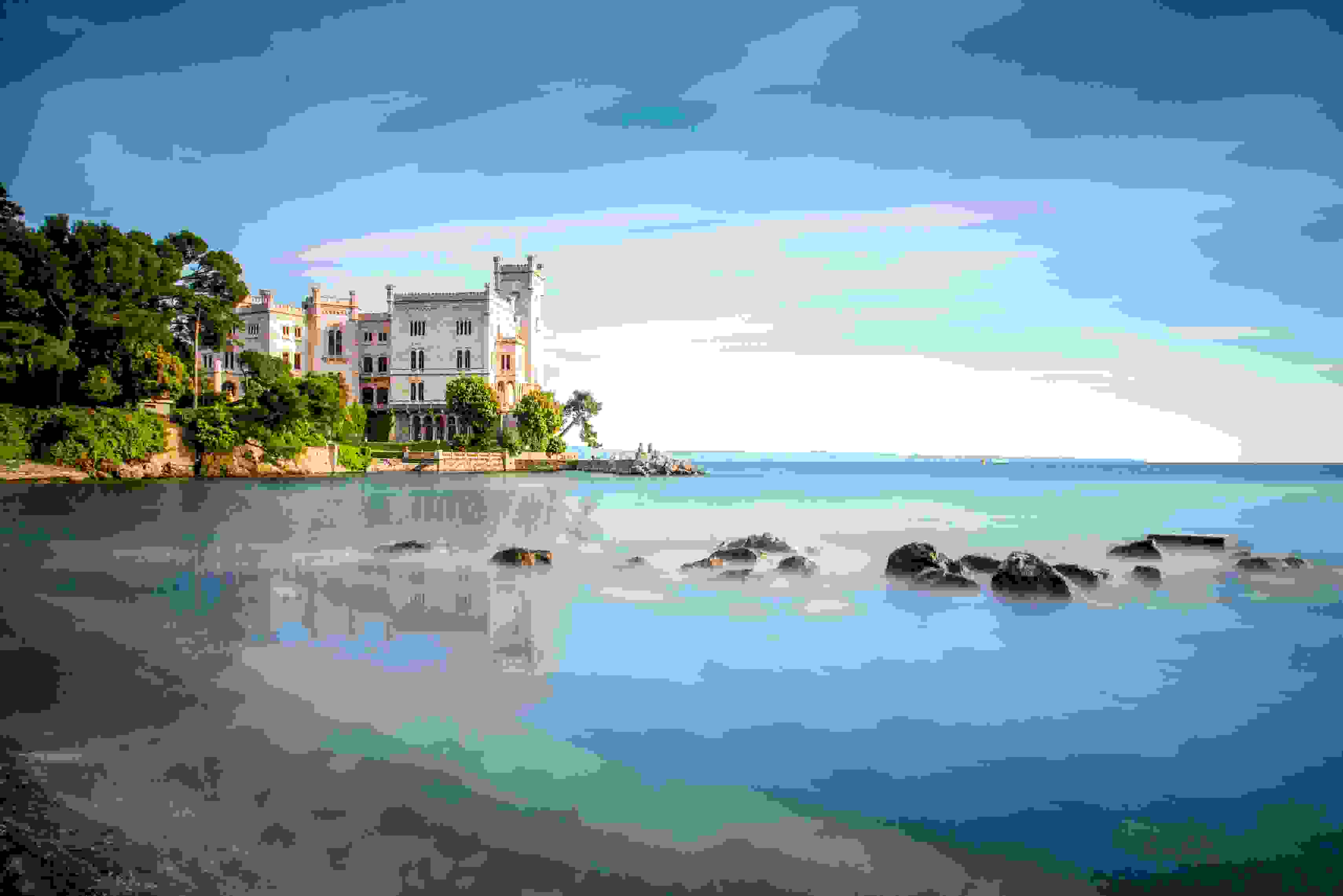
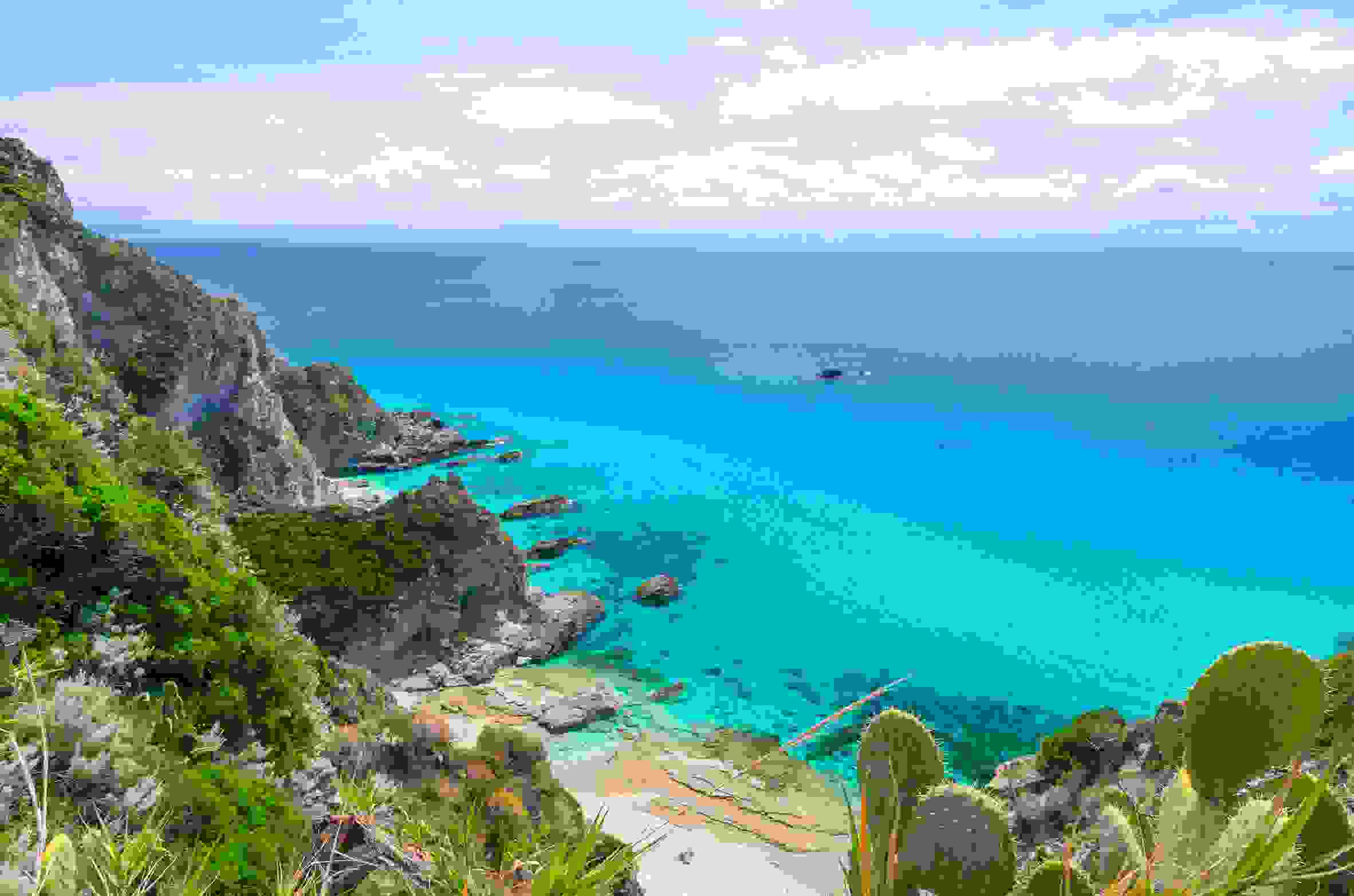
Italien besteht zu 80 % aus Bergen und Hügeln, verfügt über mehr als 8.000 Kilometer Küste, die mal flach und sandig, mal hoch und steinig ist, und ist gerade aufgrund seiner Vielfalt so einzigartig. Diese perfekte Ausgewogenheit zwischen Meer und Gebirge, Hügeln und Ebenen sowie das gemäßigte Klima – im Süden steigt die Temperatur nur selten über 40°, im Norden fällt sie kaum unter -10° – machen Italien zu einem der interessantesten und beliebtesten Touristenziele.
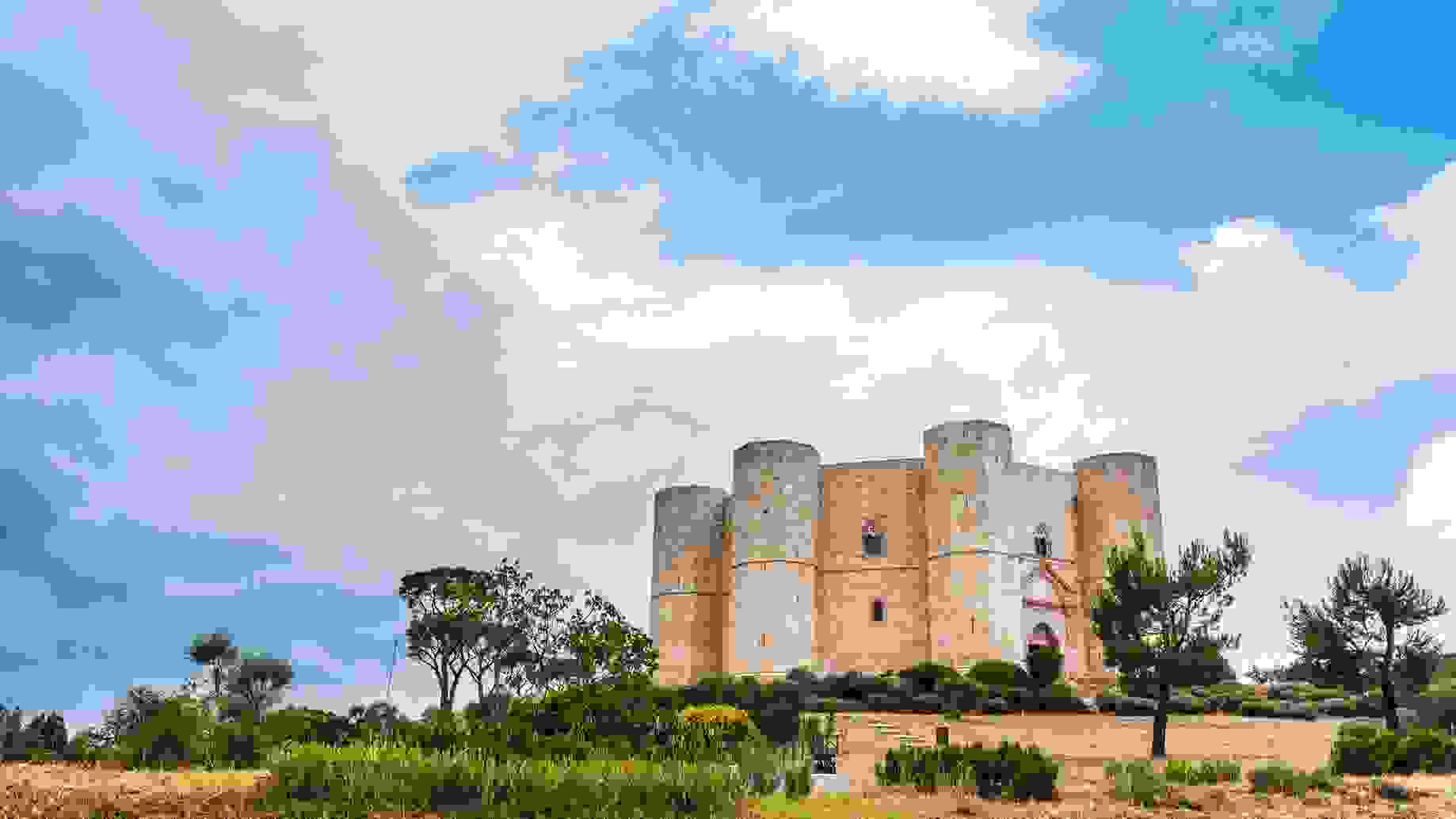
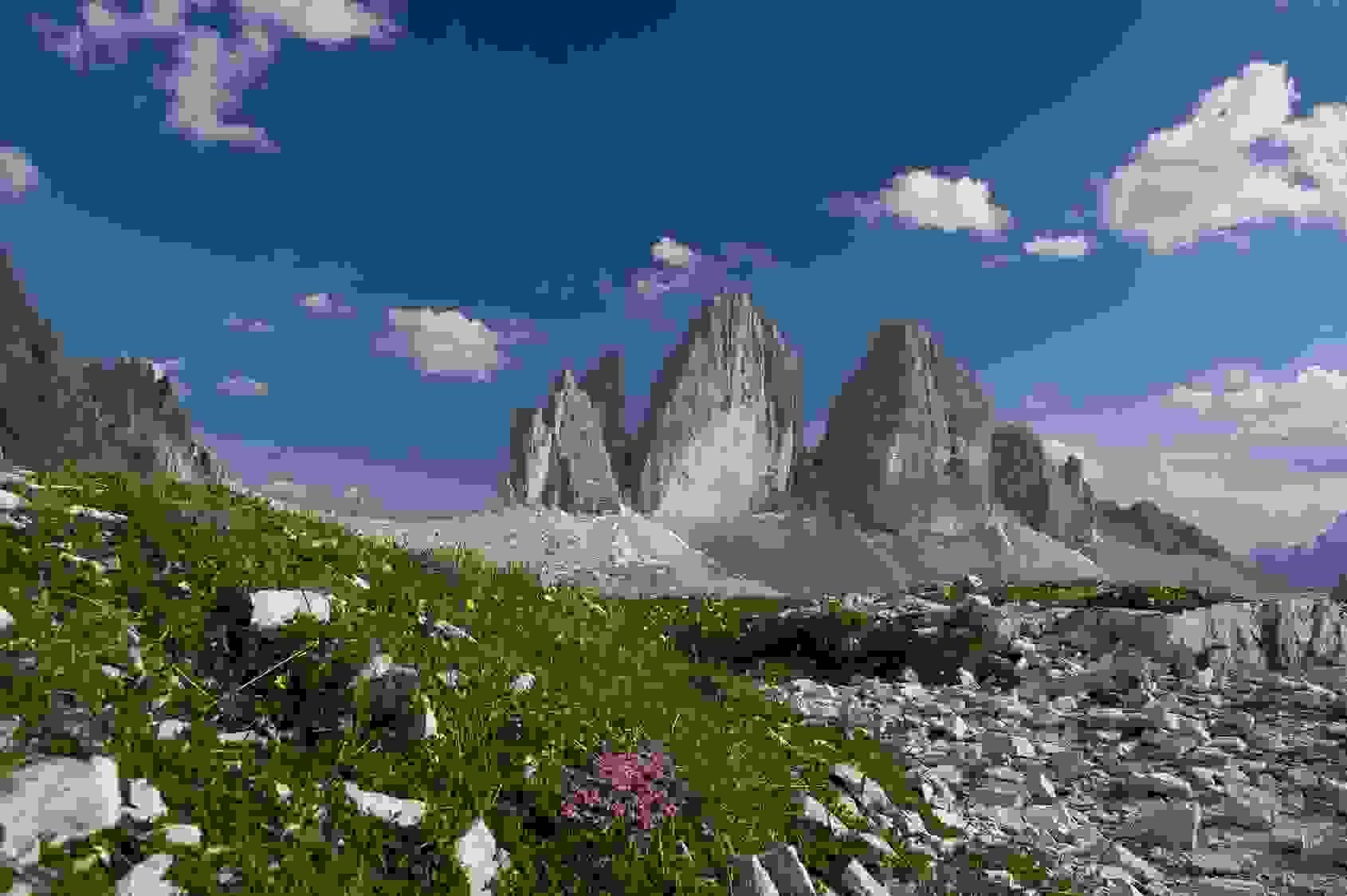
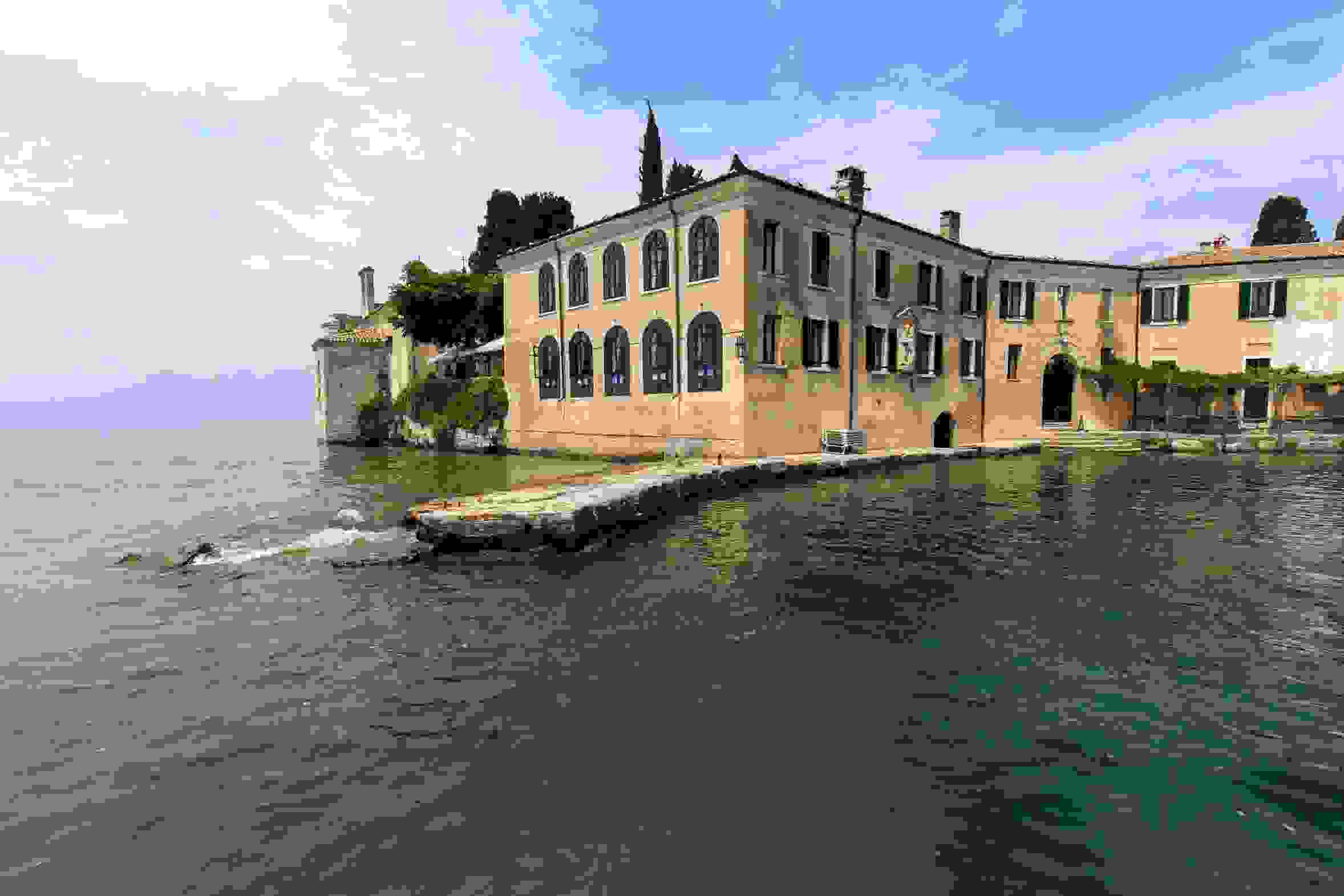
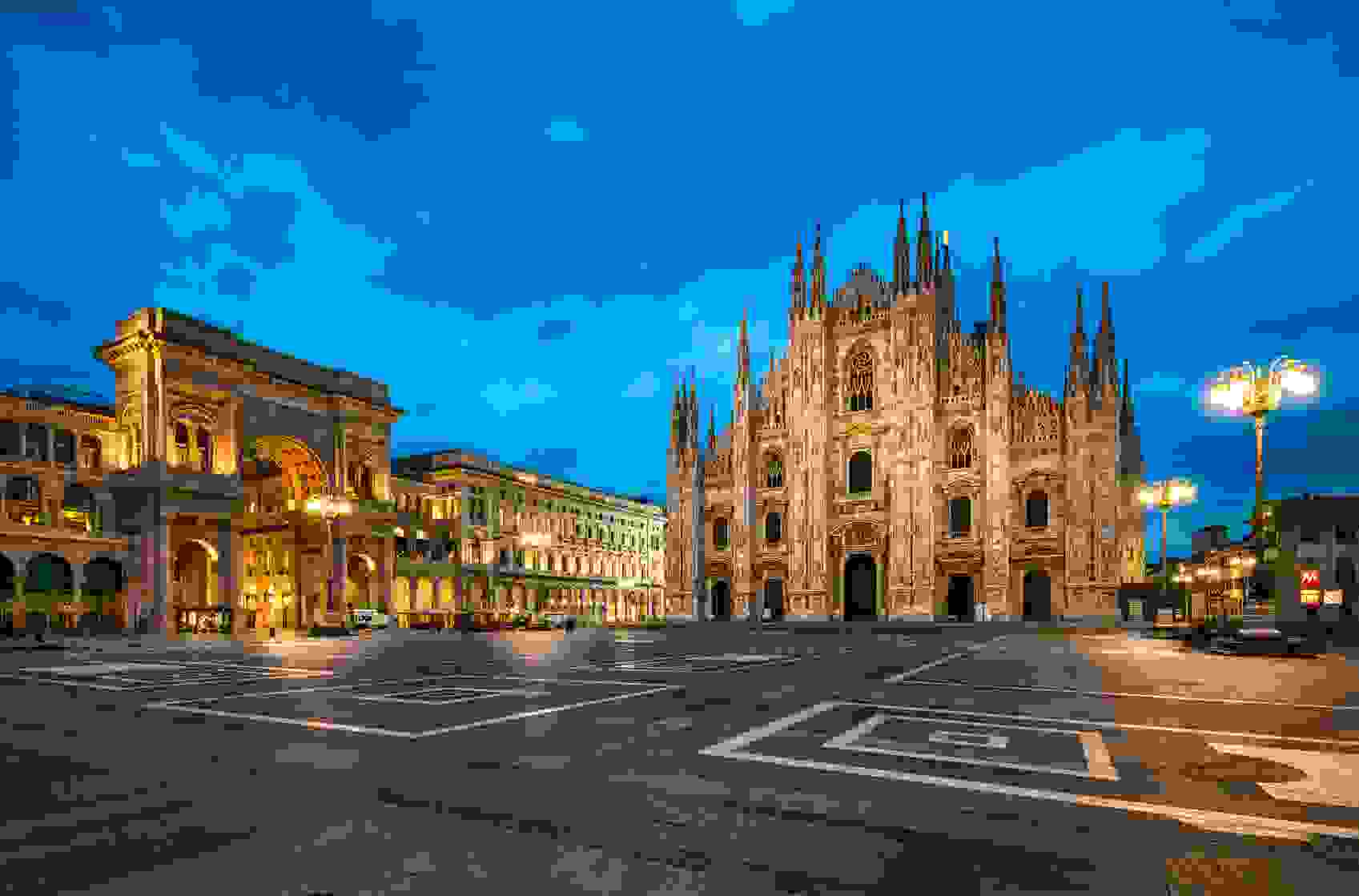
Zu Italien gehören die Inseln Sizilien, Sardinien und Elba sowie ungefähr 70 weitere kleinere Inseln. Bevorzugte Urlaubsregionen sind die Alpen mit Südtirol und den Dolomiten weiters die oberitalienischen Seen mit Gardasee, Comer See, Lago Maggiore und Iseosee, die Küstengebiete am Ligurischen Meer (Ligurien mit den Cinque Terre), die familienfreundlichen Sandstrände des Adriatischen Meeres mit tollen Familienhotels, und die großen Städte wie Rom, Venedig und Florenz sowie kleinere Städte und Orte, in denen Baudenkmäler verschiedener Epochen erhalten sind.
Unterschiedlicher und abwechslungsreicher könnten die Urlaubsdestinationen in Italien kaum sein. Im gebirgigen Norden fühlen sich vor allem Bergsteiger, Mountainbiker und Skifahrer wohl, doch auch Genießer finden hier allerlei alpenländische Köstlichkeiten. Badenixen, Hobbymatrosen und Sonnenanbeter hingegen finden ihr Paradies in einer der zahlreichen Küstengegenden, an einem der schönen Seen oder auf einer italienischen Insel, während Kulturfreunde in den mannigfaltigen Kunststädten voll auf ihre Kosten kommen. Kurzum: Italien hat für jeden das richtige Angebot parat.
Heute ist Italien mit 65 % aller weltweiten Kunstwerke und Denkmäler von künstlerischem Wert ein einziges Freilichtmuseum. Bei einem Besuch in Italien kann man nicht nur auf den Spuren der Vergangenheit wandern, sondern auch die Gegenwart mit einer unendlichen Vielfalt an Kulturen, Dialekten, Gastronomien und Traditionen genießen. Man kann auch Lebensstile und andere Mentalitäten kennen lernen, die sich zwar voneinander unterscheiden, jedoch alle zu diesem wunderbaren und einzigartigen Land gehören.
Auch die italienische Küche zählt zu den raffiniertesten und abwechslungsreichsten in Europa: von den pikanten Aromen Neapels und Kalabriens über die Pesto-Gerichte aus Ligurien bis hin zu den Käse- und Risotto-Gerichten der italienischen Alpen.
Urlauber erleben in Italien ein Land der Vielfalt und Kontraste, in dem selbst alltägliche Momente bleibende Eindrücke hinterlassen.
weiterlesen ▾